Florida Personal Injury Lawyer

Get Connected with Legal Help That Puts You First

If an accident in Florida left you injured, you have specific rights and protections under state law. This includes the right to seek compensation for injuries caused by another party’s negligence. However, having these rights on paper and actually enforcing them to get fair compensation are two entirely different things.


The reality is that insurance companies and large defendants have teams dedicated to protecting their financial interests. Their involvement complicates the process for someone recovering from an injury. This is where a Florida personal injury lawyer becomes a necessary ally, to help level the playing field and ensure your side of the story is properly represented.


As a nationwide legal network, TopDog Law knows how to match clients with the right local counsel for their specific situation. 


If you have questions about your accident, call us at (888) 778-1197 to get you connected. Your conversation is free and there is no obligation to work with us.
Get Your Free Case Review Today

If You Want Help... Call Us

It costs absolutely nothing to see if you have a case

If You Want Help... Call Us

It costs absolutely nothing to see if you have a case

As Seen On

TopDog Law Personal Injury Lawyers James Helm Image
TopDog Law Personal Injury Lawyers ABC Logo
TopDog Law Personal Injury Lawyers James Helm Image
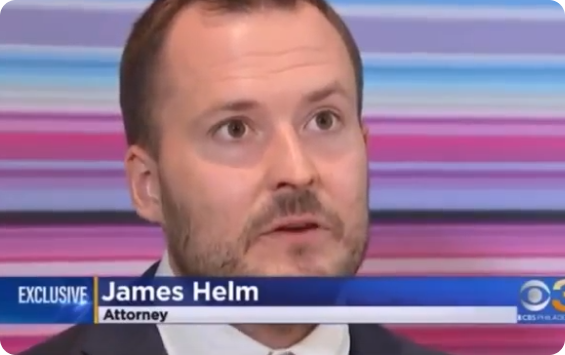
TopDog Law Personal Injury Lawyers CBS Logo

Your Guide to Personal Injury in Florida

Why Choose The TopDog Law Network?

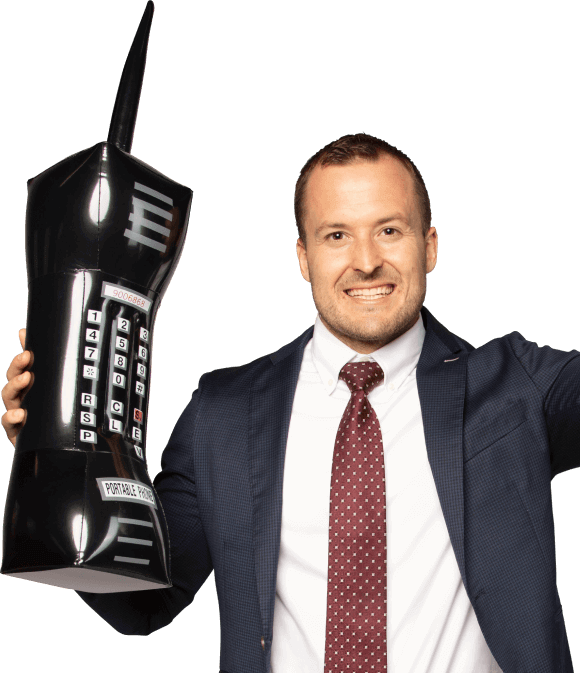
The philosophy behind TopDog Law stems from the personal story of its founder, James Helm. Having faced and overcome his own significant personal adversity, he built a nationwide brand with a clear purpose: helping ordinary people stand up against powerful insurance companies and corporations. This underdog spirit drives the firm’s passion and commitment.


TopDog Law is a referral firm, which offers a distinct advantage. Rather than relying on a single lawyer to handle every aspect of a case, they have built a curated network of highly qualified, experienced attorneys across the country. In Florida, they connect clients with local lawyers who are deeply familiar with the local court systems, judges, and the specific state statutes that will govern your case.


The benefit to you is clear: you don’t have to spend countless hours searching for and vetting lawyers. TopDog Law has already done the heavy lifting to identify attorneys with strong track records of success in personal injury claims.

No Win, No Fee Guarantee

Lawyers in the TopDog Law network operate on a contingency fee basis. This means you pay nothing upfront. All legal fees are deducted from the final settlement or verdict, so there is no financial risk to you. If you don’t get paid, neither does the lawyer.

Rapid Case Evaluation

Time is a sensitive factor after an injury. The intake team at TopDog Law is structured to assess claims quickly. The goal is to get you connected to a lawyer who will begin preserving evidence and building a strong foundation for your case without delay.

James Helm, Personal Injury Lawyer

Understanding Compensation In Florida Personal Injury Cases

The legal term for the compensation sought in a personal injury case is damages, and the goal is to make the victim whole again, at least from a financial standpoint.

Damages in a Florida personal injury claim are generally broken down into three categories.

Economic Damages (Special Damages)

These are the tangible, calculable losses you have suffered. They form the financial bedrock of a personal injury claim and include:

  • Medical Bills: This covers everything from the initial emergency room visit and ambulance ride to surgeries, hospital stays, physical therapy, prescription medications, and any anticipated future medical care.
  • Lost Wages: If your injuries prevent you from working, you may seek compensation for the income you’ve lost.
  • Loss of Earning Capacity: If your injuries are permanently disabling and affect your ability to earn a living in the future, you may be compensated for this long-term financial loss.
  • Property Damage: In a car accident, this would be the cost to repair or replace your vehicle.
  • Out-of-Pocket Expenses: This includes costs like transportation to medical appointments or modifications needed for your home.

Non-Economic Damages (General Damages)

Not all losses come with a receipt. Non-economic damages are designed to compensate you for the intangible, human cost of an injury:

  • Pain and Suffering: This compensates for the physical pain and emotional distress caused by the injury.
  • Mental Anguish: This includes anxiety, depression, and other psychological impacts stemming from the trauma of the accident and injury.
  • Loss of Consortium: This addresses the negative impact the injury has had on your relationship with your spouse.
  • Diminished Quality of Life: If you no longer enjoy hobbies, activities, or daily life as you once did, this may be factored into your compensation.

Punitive Damages

Punitive damages are rare in Florida and are not intended to compensate the victim for losses. Instead, they are designed to punish the at-fault party for particularly reckless or intentional misconduct, such as in some drunk driving cases, and to deter similar behavior in the future.

Florida’s Modified Comparative Negligence Rule

With the passage of House Bill 837, Florida shifted from a pure to a modified comparative negligence system. Under the old rule, you could recover compensation even if you were 99% at fault. 

Now, if you are found to be more than 50% at fault for the accident, you are barred from recovering any damages. If you are 50% or less at fault, your compensation is simply reduced by your percentage of fault. This change makes having a skilled lawyer absolutely essential to prevent the defense from unfairly shifting more than 50% of the blame onto you.

Business professional signing legal documents at desk during contract or insurance agreement meeting.

Where Do Accidents Occur In Florida?

High-Traffic Corridors

  • The I-4 Corridor: Stretching from Tampa through Orlando to Daytona Beach, I-4 has a grim reputation as one of America’s most dangerous highways. Heavy tourist traffic, constant construction, and daily commuters contribute to its high crash rate.
  • I-95 and I-75: As the state’s primary north-south arteries, these interstates carry a massive volume of commercial trucks and passenger vehicles, leading to frequent and severe accidents.
  • US-1: Especially in dense urban areas like Miami and Fort Lauderdale, this major road is the site of numerous accidents involving cars, pedestrians, and cyclists.

Factors Contributing To Florida Accidents

  • Weather: Florida’s weather is unpredictable. Sudden, torrential downpours lead to hydroplaning, while the intense sun glare easily blinds drivers.
  • Tourism: Millions of tourists visit Florida each year, many of whom are unfamiliar with the local roads and traffic patterns, increasing the likelihood of a crash.
  • Vulnerable Road Users: With year-round warm weather, more people are out walking and cycling. This sadly contributes to Florida’s high rates of pedestrian and bicyclist accidents.

Motorcyclists Are Especially Vulnerable

Florida has led the nation in motorcycle fatalities for three consecutive years. In one recent year, the state recorded:

Several factors contribute to this:

  • Year-round riding weather keeps more motorcycles on the road
  • Florida’s helmet law allows riders over 21 to forgo helmets if they carry at least $10,000 in medical insurance—48% of fatal crash victims were unhelmeted
  • Left-turn collisions account for 36% of motorcycle fatalities, typically when a driver turns into a motorcyclist’s path

Slip and Falls

Not every personal injury happens on the road. Slip and fall accidents are among the most common sources of injury claims in Florida and they can happen almost anywhere: grocery stores, restaurants, parking lots, office buildings, hotels, or even public sidewalks.

According to Florida Department of Health data:

  • Over 75,500 hospitalizations for unintentional falls were reported in Florida in a recent year
  • Miami-Dade County led the state with more than 7,200 reported falls

Common causes include wet or slippery floors, uneven surfaces, poor lighting, debris left in walkways, and sand or saltwater tracked in from coastal areas. Property owners in Florida have a legal duty to maintain safe premises and warn visitors of known hazards—when they fail to do so, injured individuals may be entitled to compensation.

Florida Personal Injury Practice Areas

The attorneys in the TopDog Law network have deep experience across a wide range of personal injury cases. Here are some of the most common types.

Common Case Types

  • Motor Vehicle Accidents: This includes accidents involving cars, motorcycles, and large commercial trucks.
  • Rideshare Accidents: Cases involving Uber and Lyft are complicated due to multiple layers of insurance and liability.
  • Premises Liability: Property owners have a duty of care to keep their premises safe. When they fail, it leads to slip and fall accidents in hotels, theme parks, grocery stores, or other retail locations.
  • Wrongful Death: When another party’s negligence results in a loss of life, the estate may file a claim on behalf of the surviving family members under the Florida Wrongful Death Act.

Common Injuries

  • Traumatic Brain Injuries (TBI): A blow to the head causes long-term cognitive and physical disabilities.
  • Spinal Cord Damage: Injuries to the spinal cord result in partial or total paralysis.
  • Broken Bones: Fractures and orthopedic injuries typically require surgery and extensive rehabilitation.
  • Soft Tissue Injuries: Whiplash is a common injury in rear-end collisions, causing pain and stiffness in the neck and shoulders.

Important Legal Concepts & Deadlines

  • Statute of Limitations: This is a strict legal deadline. Recent changes to Florida law reduced the statute of limitations for general negligence claims from four years to just two years for incidents occurring after March 24, 2023. If you miss this deadline, you may lose your right to seek compensation forever.
  • Evidence Decay: While two years might seem like a long time, it passes quickly. Key evidence like security camera footage gets overwritten, and the memories of witnesses fade. Acting promptly is key to building the strongest possible case.
  • Personal Injury Protection (PIP): Florida is a no-fault car insurance state. This means your own PIP insurance is your first source of coverage for medical bills (up to 80%) and lost wages (up to 60%), regardless of who was at fault. To step outside of the no-fault system and sue the at-fault driver for pain and suffering, your injuries must meet the state’s serious injury threshold.

Dealing With The Insurance Company

After an accident, you will likely be contacted by an insurance adjuster from the at-fault party’s carrier. Remember their role in this process.

The Conflict of Interest

Insurance companies are for-profit businesses. While they have a duty to pay valid claims, they also have a responsibility to their shareholders to protect the bottom line. This means their primary goal is to minimize the amount they pay out on a claim.

Here’s What to Look Out For

  • Quick Settlement Offers: An insurer might make a lowball offer shortly after the accident, before the full extent of your injuries is even known. Accepting this offer closes your case for good, even if you later discover you need surgery or long-term care.
  • Recorded Statements: An adjuster may ask for a friendly chat to get the facts straight. These recorded statements are used to look for inconsistencies in your story or to get you to say something that could be used against you.
  • Medical Authorization Forms: The insurer will ask you to sign a medical release form. Ensure this release is limited only to records related to the accident. Signing a blanket authorization gives them access to your entire medical history, which they can then search for pre-existing conditions to argue your injuries weren’t caused by the accident.
insurance stamp

What to Do After an Accident

Focus on Medical Compliance

Your health is the top priority. Follow your doctor’s orders, attend all follow-up appointments, and complete any prescribed physical therapy. Insurance companies will look for gaps in treatment and use them as an argument that your injuries were not as serious as you claim.

Documentation at Home

  • Pain Journal: Keep a simple daily log of your pain levels (on a scale of 1-10), any activities you’re unable to do, and how the injury is affecting your daily life. Note things like difficulty sleeping, inability to play with your kids, or trouble with household chores.
  • Expense Organization: Create a file to keep all receipts for co-pays, prescription costs, and even mileage for travel to and from your doctor’s appointments.

Digital Silence

Stay off social media while your claim is pending. An insurance company will look at your profiles. Even an innocent photo of you at a family dinner could be taken out of context and used to argue that you are not as injured as you say you are.

Avoid Direct Negotiation

Once you have legal representation, direct all calls and correspondence from the insurance company to your attorney. This prevents you from inadvertently saying something that could harm your case and allows your lawyer to manage the process on your behalf.

FAQ For Florida Personal Injury Cases

In this situation, you may be able to file a claim with your own insurance company through your Uninsured/Underinsured Motorist (UM/UIM) coverage, if you have it. This is an optional but highly recommended part of your own auto policy.

Yes, you may still pursue a claim. However, Florida law allows for a seatbelt defense. The other side may argue that your injuries were worse because you were not buckled up, and a jury could reduce your final award based on comparative negligence.

The timeline varies depending on the complexity of the case, the severity of the injuries, and whether the insurance company is negotiating in good faith. Some cases may settle in a few months, while others might take over a year, especially if a lawsuit needs to be filed.

The vast majority of personal injury cases are settled out of court through negotiation. However, the network lawyers prepare every case as if it might go to trial. This thorough preparation leads to better settlement offers, as the insurance company knows your lawyer is ready to go to court if necessary.

Don’t Let Uncertainty Cost You Your Future

Translate »

You’re in the right place!

Keller Swan is now TopDog Law

Existing clients can call (877) 541 1203 if you have questions about your case.