Home » Rideshare Accident Lawyer » Colorado Rideshare Lawyer
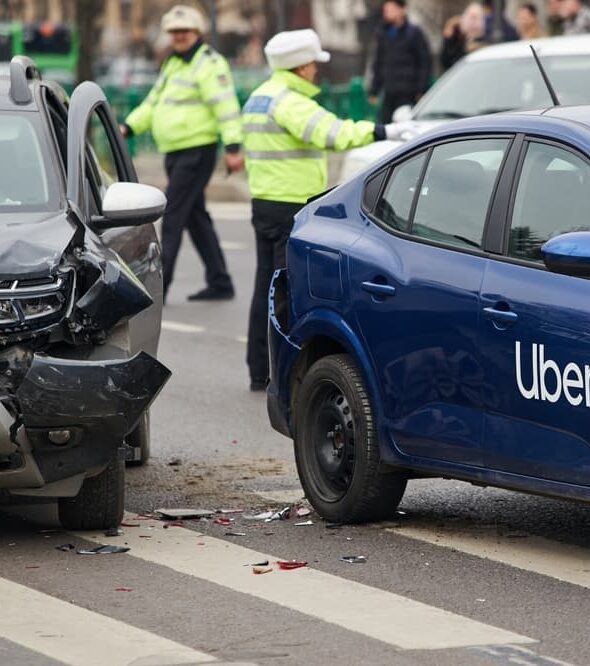
In Colorado, rideshare accidents are on the rise, and when they happen, things get messy fast. One minute you’re heading downtown; the next, you’re dealing with police reports, insurance adjusters, and a car crash that wasn’t even your fault.
Here’s the good news: rideshare companies carry large insurance policies to cover these kinds of accidents. But tapping into that coverage? That’s where things get tricky. And unless you feel like taking on a billion-dollar company and their lawyers solo, it’s a good idea to call in some backup.
At TopDog Law, our network of Colorado rideshare lawyers helps people like you connect with a local attorney who knows exactly how to handle these claims. Call (888) 778-1197 today.



Not every crash looks the same, and not every injury plays by the rules. Here’s how these accidents break down and what’s at stake.
Rideshare accidents come in all shapes and sizes, but some patterns stand out:
Colorado law treats rideshare companies—known officially as Transportation Network Companies (TNCs)—differently than private drivers or commercial carriers. Here’s how liability plays out under Colorado Revised Statutes § 40-10.1-605:
The value of a rideshare accident claim comes down to three categories of damages: economic, non-economic, and punitive.
These are the numbers you can put on paper. Economic damages include any financial losses tied directly to the accident. If you’ve got a receipt or a bill, it probably falls under this category.
Some losses don’t come with a receipt. Non-economic damages address the physical and emotional fallout after an accident—the things that impact your quality of life.
Colorado calls these exemplary damages, and they exist to punish behavior that goes beyond ordinary negligence. If a rideshare driver acted with fraud, malice, or willful and wanton conduct—think drunk driving, street racing, or knowingly driving a car with faulty brakes—the court may award punitive damages.
Under Colorado Revised Statutes § 13-21-102, punitive damages can’t exceed the amount of actual damages awarded unless the defendant continued their reckless behavior during the case or acted in a way that intentionally harmed the victim. When that happens, the court may double or even triple the punitive award.
Denver’s rapid growth has led to increased traffic density, making some intersections particularly hazardous:
Colorado’s scenic routes attract tourists and locals alike, but some stretches are notorious for accidents:
Insurance companies don’t stay in business by handing out generous checks. They employ teams of adjusters and lawyers trained to minimize payouts. When a rideshare accident lands you in their crosshairs, they pull out an entire playbook designed to chip away at your claim. That’s true whether you were a rideshare passenger, another driver, or a pedestrian. But the way liability works—and how much insurance coverage is available—depends entirely on what the rideshare driver was doing when the crash happened.
A rideshare driver’s connection to the Uber or Lyft app at the time of the crash determines who’s responsible and how much coverage is on the table. As mentioned earlier, Colorado law requires Transportation Network Companies (TNCs) like Uber and Lyft to carry different levels of insurance depending on whether a driver is active on the app.
Here’s how it breaks down:
Most rideshare claims focus on the driver’s actions, not the company itself. But there are cases where the rideshare company bears direct responsibility—beyond the insurance policies.
Insurance companies don’t just cut checks because you filed a claim. They use delay tactics to wear you down and convince you to settle for less.
Because Colorado’s modified comparative negligence rule lets insurers argue you were partly at fault, if they pin 50% or more of the blame on you, they owe you nothing.
This gets tricky if you were another driver or pedestrian. The insurance company might argue you weren’t paying attention, crossed the street improperly, or drove distracted. An experienced lawyer in TopDog Law’s network works with accident reconstruction experts and gathers evidence to push back.
Insurers throw out early offers hoping you’ll bite before you understand the full impact of your injuries.
They ask for “just a quick statement” to move things along. What they want is ammo.
Colorado law doesn’t force you to give the other driver’s insurer a recorded statement. Lawyers from TopDog Law’s network handle these conversations to keep your case clean.
Call (888) 778-1197 today. TopDog Law will connect you with a local attorney who knows how to deal with rideshare accidents—and isn’t afraid to push back when insurance companies play games.